
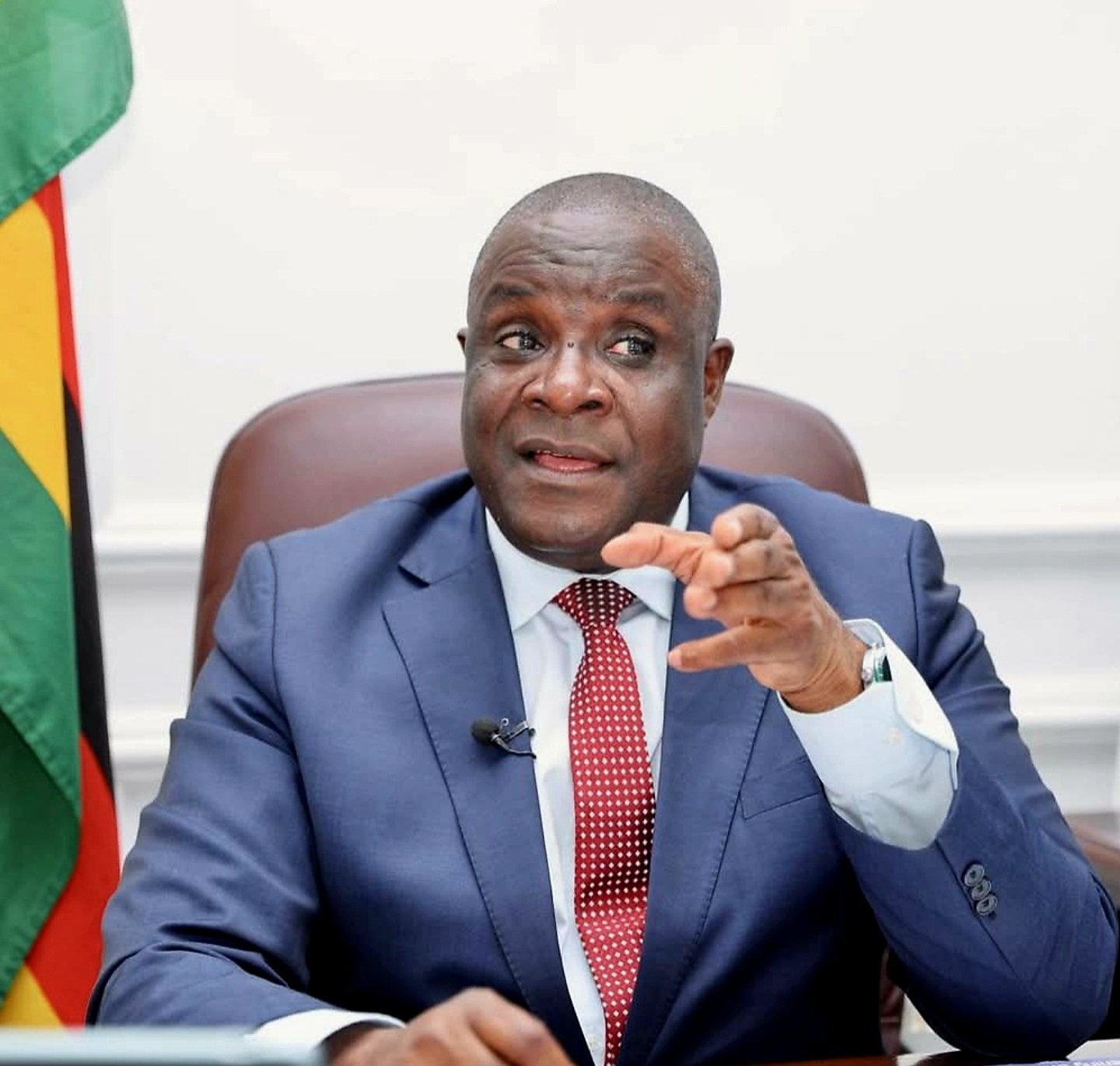
It takes a particular kind of contempt for the public to stand before a national audience, on a state platform, and openly misrepresent the constitution of the Republic. That is exactly what George Charamba, Deputy Chief Secretary in the Office of the President and Cabinet, has just done. In a wide ranging interview with state media on Constitutional Amendment Bill Number 3, Charamba declared that “a referendum does not usurp the power of parliament,” and insisted that the only body authorised to write or rewrite the constitution is parliament itself. The statement was delivered with the casual confidence of a man who assumes the country has stopped reading. It deserves to be answered by a country that is still reading.
Charamba’s central manoeuvre is to drag the 2013 referendum into the present argument and pretend it sets a precedent. It does not. The 2013 referendum was held under the Referendums Act of 2000, a piece of subsidiary legislation. Its political legitimacy rested entirely on the Global Political Agreement signed between ZANU PF and the two MDC formations during the Government of National Unity. In that context, parliament retained the technical role of enacting the new constitution because the referendum itself was conducted under ordinary statute, not under any binding constitutional command. Charamba knows this. He is paid handsomely to know it.
What he refuses to tell the nation is that the legal landscape changed completely the moment the 2013 constitution came into force. The very document that emerged from that process now governs how it may be amended, and it places explicit constitutional limits on what parliament can do alone.
Read Section 328 carefully and Charamba’s argument collapses on the page. Subsection 5 allows most amendments to pass on a two thirds majority in both houses, and that is the route the regime would prefer to use for everything. But subsection 6 is the wall they are trying to walk through. It states that any constitutional bill seeking to amend Chapter 4 or Chapter 16 must, within three months of being passed by parliament, be submitted to a national referendum, and may only become law if approved by a majority of voters. Chapter 4 is the Declaration of Rights. Chapter 16 covers agricultural land. And then, as if the drafters anticipated exactly the kind of manoeuvre this regime is now attempting, subsection 9 provides that Section 328 itself can only be amended through the very referendum procedure it sets out. They understood the temptation that would one day come. They left an instruction in writing.
This is not legal trivia. This is the difference between a republic governed by its constitution and a regime governed by the convenience of its rulers. The provisions that protect citizens’ rights, the limits on presidential terms, and the mechanism by which those protections may be altered, are deliberately placed beyond the reach of any parliamentary majority ZANU PF might assemble through patronage, intimidation or the cash distributions of friendly tycoons. The drafters gave the people the final say on these matters. Charamba is now telling the people they were never meant to have it.
The motive is not difficult to discern. ZANU PF cannot win a referendum on extending Mnangagwa’s rule. The party knows it. Its propagandists know it. Even its loyal commentariat in the state press knows it. A genuine national vote on whether one man should remain in power beyond his constitutional limit would expose, in numbers, the depth of public exhaustion with this regime. So instead of facing the verdict of the people, the regime sends out its chief spokesman to argue that the people’s verdict is constitutionally unnecessary. The lie is that bold. The contempt is that open.
Zimbabweans must understand what is actually happening here. The constitution is being rewritten in public, not by amendment, but by misrepresentation. A senior official is using a state interview to tell the country that a constitutional safeguard does not mean what it plainly says. If this is allowed to stand, the document the nation voted for in 2013 will be hollowed out long before any bill is signed. The fight over CAB3 is no longer only about a presidential term. It is about whether the words of our constitution still carry weight, or whether they now mean whatever Charamba says they mean on a state broadcast.