
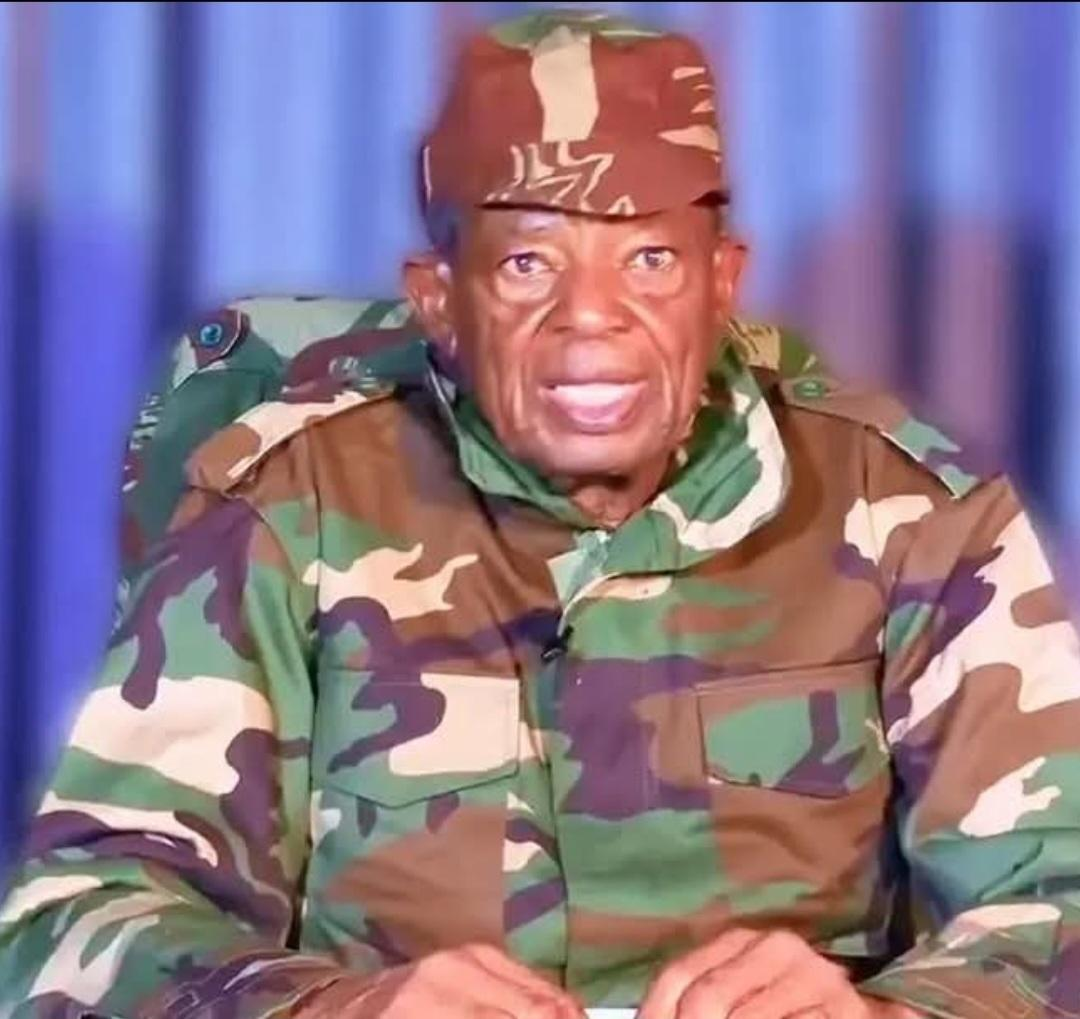
In a country ruled by fear and silence, Geza did something many in ZANU PF fear the most. He named names. He spoke about business people, families, and networks that benefit from corruption. This may sound simple, but in Zimbabwe it is dangerous. Power here survives on silence, on half truths, and on pretending we do not know who is stealing. When corruption is spoken about in general terms, it feels distant. But when theft has surnames, people understand it clearly.
Naming is powerful because it breaks denial. It forces society to stop acting confused. It puts responsibility back where it belongs. This kind of naming is not about revenge. It is about truth. It reminds people that corruption is done by real individuals, not by ghosts. But naming alone does not clean the past. It does not cancel old sins. It brings back choice, blame, and responsibility into public talk, something ZANU PF has worked hard to destroy.
In this space, apology is also important, but not in the way the powerful want it to be. An apology here is not about forgiveness or starting fresh. It is about refusing to continue pretending. It is a way of saying, I no longer agree with this evil. It is a withdrawal of moral support. That matters, because ZANU PF power survives on people pretending they have no choice.
Geza’s later words also pointed to a bigger problem. He spoke to how the state has changed. After independence, many believed the state would bring development and fairness. Across Africa and other regions, people imagined governments that would lift the poor. But over time, that dream died. The state became a tool for a few. Scholars called this neo patrimonial rule, where rules exist on paper but power is personal and corrupt.
In such a system, politics is not about ideas or plans. It is about who is close to power. It is about who eats and who starves. This is exactly what we see in ZANU PF today. Succession fights are not about vision. They are about access. Who gets in. Who is pushed out. Geza’s words reflected this truth clearly, even if he was once part of the same system.
We must also be honest about who Geza was. He was not neutral. He supported certain factions and figures, including Constantino Chiwenga. He was part of ZANU PF battles. He cannot be separated from that history. But near the end, something shifted. When he said he was old and had played his part, it was not surrender. It was an admission that time defeats everyone.
This was not moral greatness. It was an exit from the centre. He stepped back, but he did not disappear from history. In doing so, he quietly challenged the idea that old men own Zimbabwe forever. ZANU PF is ruled by entitlement based on age and liberation credentials. His words hinted that this thinking is wrong, even if he never fully escaped it himself.
Most important was his message about generations. He said the struggle does not end with the liberation fighters. This matters deeply. No generation owns a nation. Zimbabwe belongs to all of us, including those not yet born. Leadership is not ownership. It is care. Liberation is not a personal title. It is a duty passed on.
That idea threatens ZANU PF more than any slogan. It says the future does not belong to them. And that is why their fear of truth will never end.