
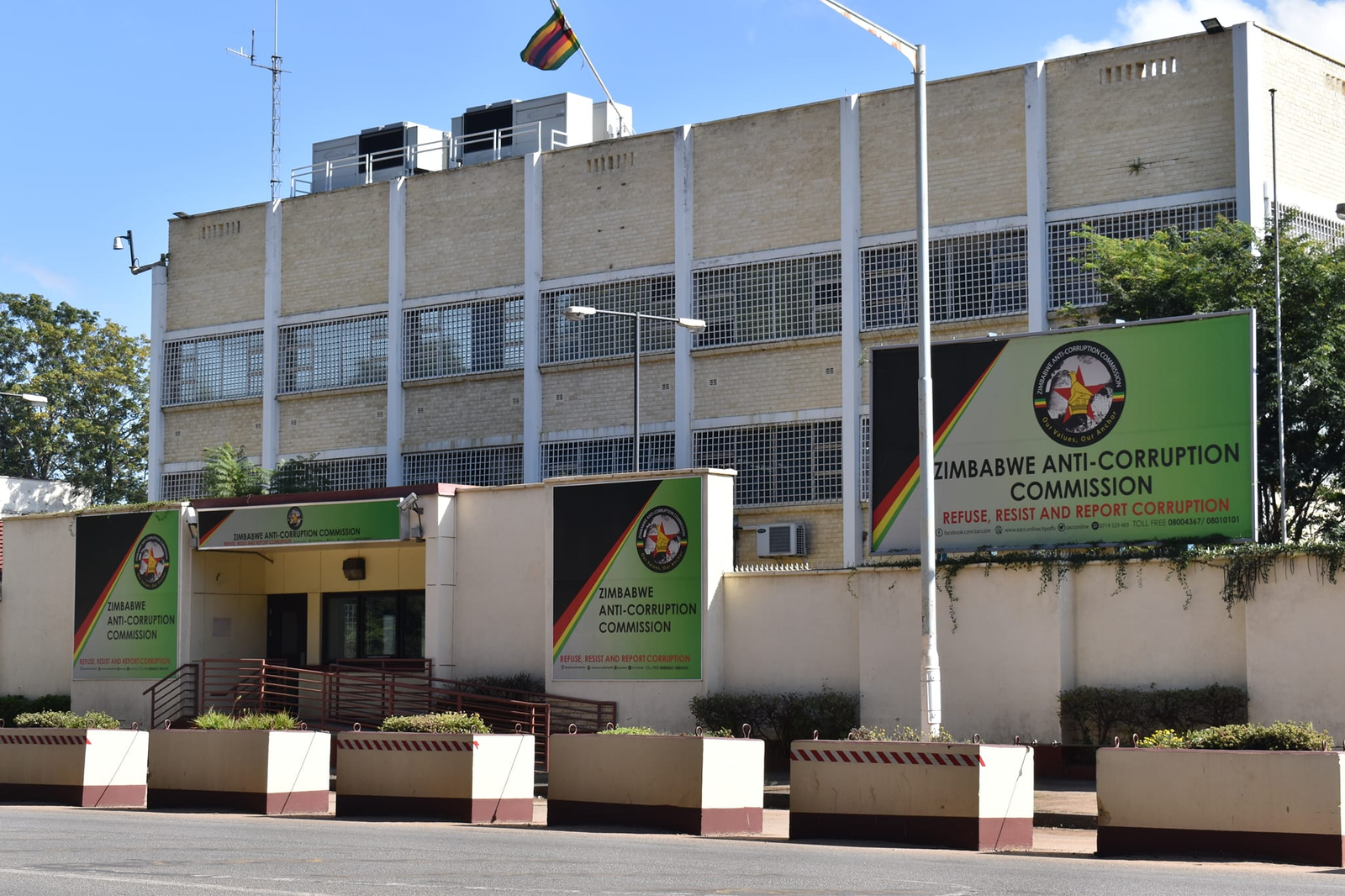
The Zimbabwe Anti Corruption Commission was created to serve as the country’s foremost weapon against corruption. Established under the Constitution, its mandate is clear. It must investigate corruption, promote integrity in public institutions and restore public confidence in governance.
Yet years after its establishment, many Zimbabweans are asking a difficult question. Is ZACC winning the fight against corruption, or has it become another institution struggling under the weight of the very problem it was created to eradicate?
Corruption remains one of Zimbabwe’s most persistent national challenges. Allegations of abuse of public resources, procurement irregularities, nepotism and illicit enrichment continue to dominate public discourse across both central and local government. Despite periodic arrests and high profile investigations, successful prosecutions involving politically influential figures remain relatively rare, fuelling public perceptions that accountability is applied selectively.
Critics argue that while ZACC has often demonstrated activity through arrests and investigations, it has struggled to deliver the systemic institutional reforms that Zimbabwe desperately needs. Public confidence has also been undermined by repeated accusations that corruption continues to flourish within state institutions despite the existence of multiple oversight bodies.
Now, fresh allegations emerging from within ZACC itself threaten to place the commission under even greater public scrutiny.
The commission is currently conducting a major recruitment exercise for several strategic positions, including General Manager Investigations, Provincial Heads, Legal Officers, Human Resources Officers, Procurement Officers and Audit and Risk Officers. These appointments are expected to shape the institution’s future direction and operational effectiveness.
However, according to allegations from multiple internal sources, the recruitment exercise has allegedly been overshadowed by claims of predetermined outcomes, manipulated shortlists and patronage.
Several insiders allege that interviews have become little more than procedural exercises, with preferred candidates allegedly identified before recruitment panels convene. According to the claims, some applicants are invited to interviews despite decisions already having been made elsewhere.
Other sources allege that internal recruitment committees have received instructions regarding preferred candidates before interviews take place. If true, such practices would fundamentally undermine merit based recruitment and raise serious questions about institutional governance.
Separate allegations have also emerged suggesting that some individuals may have attempted to exploit the recruitment process for personal gain, although these claims remain unproven.
Whether these allegations are ultimately substantiated or not, they highlight a deeper institutional challenge confronting Zimbabwe’s anti corruption architecture.
An anti corruption commission derives its authority not simply from legislation but from public confidence. Its legitimacy depends on demonstrating that it applies the highest standards of transparency, professionalism and fairness within its own structures before demanding accountability from others.
If recruitment processes are perceived to lack credibility, confidence in investigations, prosecutions and institutional independence inevitably suffers.
The irony is impossible to ignore. An institution established to eliminate corruption cannot afford allegations that its own internal systems may be vulnerable to the same practices it investigates elsewhere.
The broader concern extends beyond recruitment.
Zimbabwe continues to perform poorly on international corruption perception indices, while reports of abuse of office, questionable procurement practices and politically connected patronage continue to dominate national conversation. Many Zimbabweans increasingly question whether existing anti corruption institutions possess both the independence and institutional capacity required to confront corruption wherever it exists, regardless of political or economic influence.
For years, ZACC has promised to leave no stone unturned in the fight against corruption. Yet public confidence is measured not by promises, press conferences or arrests, but by consistent institutional integrity, successful convictions and equal application of the law.
The commission now faces perhaps its greatest credibility test. Before asking Zimbabweans to trust its investigations into corruption elsewhere, it must ensure that allegations concerning its own governance are addressed transparently and professionally.
The fight against corruption begins at home. Institutions entrusted with protecting public integrity cannot afford even the perception that merit is sacrificed for patronage or that accountability is expected only from others.
If Zimbabwe is serious about confronting corruption, then every public institution, including ZACC itself, must be prepared to submit to the same scrutiny it demands from the rest of society. Until that happens, questions about the effectiveness, independence and credibility of the country’s anti corruption framework will continue to grow, and public confidence will remain increasingly difficult to restore.