
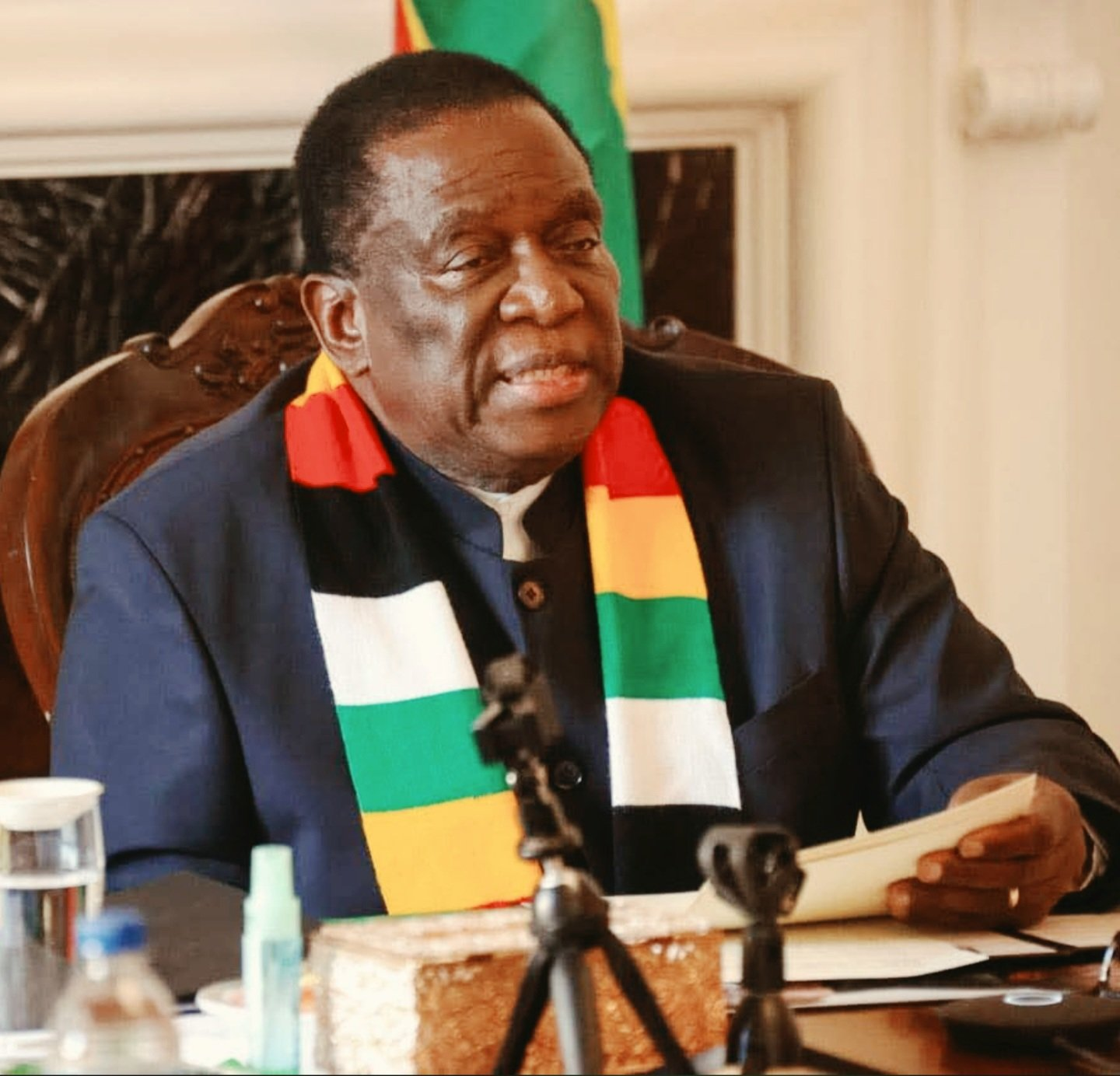
For many Zimbabweans, the signing of Constitution Amendment No. 3 is not simply another legal development. It is viewed as one of the most significant democratic setbacks since the adoption of the 2013 Constitution. To its critics, this is nothing less than a constitutional coup against democracy, executed not with tanks on the streets but with parliamentary votes and presidential assent.
I will be joining fellow Zimbabweans outside the Zimbabwe Embassy in London because silence at a time like this would amount to acceptance. This protest is not against Zimbabwe. It is against the steady dismantling of the democratic values that millions of Zimbabweans have sacrificed for over decades.
The 2013 Constitution was born from struggle, compromise and the collective desire to prevent the concentration of political power in the hands of a few. It recognised that sovereignty belongs to the people and that governments derive their legitimacy from the consent of citizens expressed through regular, free and fair elections.
Today, many Zimbabweans believe that principle has been fundamentally undermined.
By signing Constitution Amendment No. 3 into law, President Emmerson Mnangagwa has presided over changes that critics argue weaken democratic accountability. The amendment extends presidential and parliamentary terms from five years to seven years, delaying the next election until 2030, while also replacing the direct election of future Presidents with a parliamentary process.
Supporters describe these reforms as necessary for political stability and long term planning. Critics, however, see something very different. They argue that the amendments concentrate power, reduce electoral accountability and erode constitutional safeguards that were deliberately established to prevent executive overreach.
For many citizens, this is not simply constitutional reform. It represents what they view as an abuse of political power through legal means. Democracy has not been suspended overnight. Instead, they argue, it has been weakened incrementally through changes that shift power away from ordinary citizens and towards political institutions controlled by those already in office.
This is why many activists describe the moment as a constitutional coup. The concern is not that the process occurred outside the law, but that the law itself has been altered in ways that fundamentally change how political power is obtained and retained. When citizens lose the direct right to elect future Presidents, critics contend that one of the most important pillars of representative democracy is removed.
For decades, ZANU PF has defended many of its political decisions as necessary for stability and national development. Yet many Zimbabweans question whether genuine stability can exist without democratic accountability. Stability that comes at the cost of reducing citizens’ political voice is, critics argue, not democratic stability but political consolidation.
The tragedy is that this moment did not arrive suddenly. It followed years of weakening institutions, shrinking civic space, a fragmented opposition and declining public confidence in democratic processes. While the opposition must accept responsibility for its own divisions, many activists believe the ultimate beneficiary has been ZANU PF, whose political dominance has expanded as constitutional guardrails have been progressively altered.
Friday’s protest in London is therefore about much more than one amendment. It is about defending the principle that no government should become more powerful than the Constitution itself. It is about reminding those in authority that constitutions exist to limit power, not to legitimise its expansion.
History will judge this period not only by what leaders did, but by whether ordinary Zimbabweans chose to speak when democracy was under pressure. For many of us, attending this demonstration is our way of saying that the Constitution belongs to the people, not to those who temporarily occupy public office. Democracy cannot be defended by silence. It survives only when citizens are prepared to stand up peacefully and demand that their voices continue to matter.